
A vanilla plant is an orchid which means it will climb other trees usually up to the top. If the tree is 30 to 40 meters tall a vanilla vine will grow to the very top of that tree.
The vanilla bean has very specific sun and shade requirements that benefit the environment especially in places like Uganda, where the forest has been decimated. Cultivation of vanilla requires tutor trees for the vines to grow so it can be grown along with other crops like Cocoa.
A Guide On How To Plant And Grow Vanilla In Tanzania.
A vanilla plant is an orchid which means it will climb other trees usually up to the top. If the tree is 30 to 40 meters tall a vanilla vine will grow to the very top of that tree.
The vanilla bean has very specific sun and shade requirements that benefit the environment especially in places like Uganda, where the forest has been decimated. Cultivation of vanilla requires tutor trees for the vines to grow so it can be grown along with other crops like Cocoa.
There are over 150 types of vanilla in the world, including Indian vanilla, Tonga vanilla, and Ugandan vanilla but the two most prevalent types found in most stores are Madagascar or bourbon vanilla, and Tahitian vanilla.
when an unknown printer took a galley of type and scrambled it to make a type specimen book. It has survived not only five centuries, but also the leap.
Vanilla is grown from healthy vine cuttings placed on top of moist soil and covered lightly with dry leaves to protect the roots. The vine should never be buried because vanilla grows best with air around its roots.
Vanilla also needs a support tree such as Jatropha to climb and grow under partial shade. With proper moisture and care, the vine develops roots and later produces vanilla beans.
Start your vanilla orchid in a mixture of half bark and half potting mix. This is slightly more dense and heavy than most orchid growing media. Your cutting or small starter plant will need this combination of excellent drainage and nutrients to nourish the plant while the vine develops. After the vine develops its epiphytic roots, it will no longer depend on the roots in the potting mix.
Vanilla bean orchid prefers bright shade and will tolerate short periods of morning sun.
Fertilize your vanilla orchid every two weeks during the spring and summer with orchid fertilizer. Light but regular fertilization is recommended.
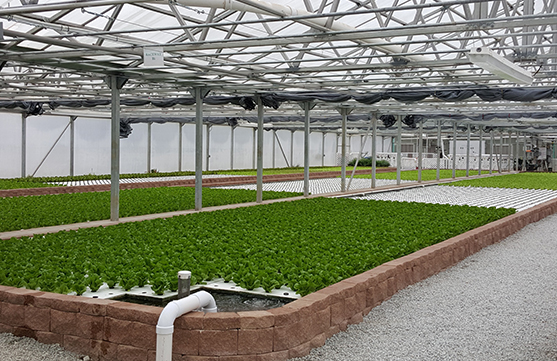
Vanilla bean orchids can be susceptible to root rot in the high-humidity environment they require. Rot can be prevented if you can balance high humidity with constant air circulation, which is the reason why greenhouse environments are recommended for this plant
The plants can also be susceptible to spider mites and mealybugs.3 Horticultural oil sprays are the best way to deal with these pests. Mealybugs can also be killed by dabbing them with a cotton swap soaked in rubbing alcohol.
If pollination is successful, your three-year-old vanilla orchid will produce green bean-like pods from October through March. Good quality pods should be at least 6 inches long. The curing process is labor-intensive and involves sweating and drying, which contributes to the premium price of vanilla beans sold in markets. Every day for six weeks, you must wrap the beans in a blanket at night to facilitate moisture condensation on the pods. During the day, place the beans on trays in the sun, or under a heat lamp indoors. Following this sweating process, you should dry the now brown and shriveled pods in a dark, dry place for an additional three months. You can store the cured beans in an airtight container indefinitely.
Vanilla Application includes: